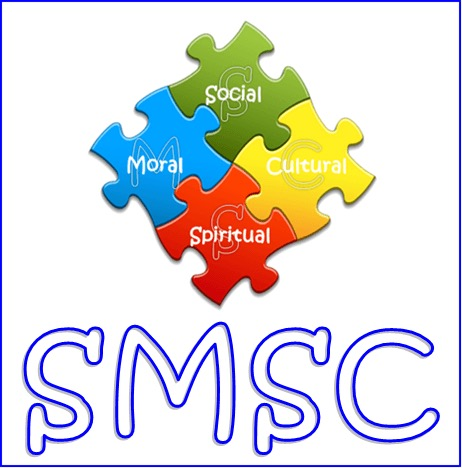
Spiritual, Moral, Social and Cultural Education
At St John’s Catholic Primary School we recognise the unique dignity of every person, believing that each individual is made in the image of God. The Spiritual, Moral, Social and Cultural (SMSC) development of our pupils is at the heart of our mission and underpins everything we do.
SMSC development is promoted across the whole curriculum, through our Catholic ethos and through the positive values and attitudes we nurture in school life. We provide a wide range of opportunities that help children grow as reflective, respectful and responsible members of society.
We actively promote the British values of democracy, the rule of law, individual liberty and mutual respect and tolerance, helping pupils understand right from wrong and appreciate the diversity of modern Britain. All staff contribute to this through engaging teaching approaches such as discussion, reflection and pupil participation.
We recognise that the foundations of SMSC development begin at home and we work closely with parents and carers to support children in becoming thoughtful, respectful and confident individuals.
The Spiritual Development of children is shown by their:
- ability to be reflective about their own beliefs, religious or otherwise, and perspective on life,
- knowledge of, and respect for, different people's faiths, feelings and values,
- sense of enjoyment and fascination in learning about themselves, others and the world around them,
- use of imagination and creativity in their learning,
- willingness to reflect on their experiences.
The Moral Development of children is shown by their:
- ability to recognise the difference between right and wrong, and to readily apply this understanding in their own lives, and to recognise legal, boundaries and, in doing so, respect the civil and criminal law of England,
- understanding of the consequences of their behaviour and actions,
- interest in investigating, and offering reasoned views about moral and ethical issues, and ability to understand and appreciate the viewpoints of others on these issues.
The Social Development of children is shown by their:
- use of a range of social skills in different contexts, including working and socialising with other pupils, including those from different religious, ethnic and socio-economic backgrounds,
- willingness to participate in a variety of communities and social settings, including by volunteering, co-operating well with others and being able to resolve conflicts effectively,
- acceptance and engagement with the fundamental British Values of democracy, the rule of law, respect and tolerance of those with differing faiths and beliefs. They will develop and demonstrate skills and attitudes that will allow them to participate fully in and contribute positively to life in modern Britain.
The Cultural Development of children is shown by their:
- understanding and appreciation of the wide range of cultural influences that have shaped their own heritage and that of others,
- understanding and appreciation of the range of different cultures in the school and further afield as an essential element of their preparation for life in modern Britain,
- ability to recognise, and value, the things we share in common across cultural, religious, ethnic and socio-economic communities,
- knowledge of Britain's democratic Parliamentary system and its central role in shaping our history and values, and in continuing to develop Britain,
- willingness to participate in, and respond to, for example, artisitic, musical, sporting and cultural opportunities.
SMSC in the Curriculum
In planning for our pupils’ spiritual, moral, social and cultural development, we recognise that we need to provide as many opportunities as possible for our pupils to engage with culturally rich and diverse experiences. Opportunities to develop SMSC form both part of the formal and informal curriculum, through cross-curricular activities, teaching in RE, RSHE and PSHE (Personal, Social, Health and Education).